Survival Mode in No More Room in Hell 2
Draw the horde, hold the line, and extract before the speakers fail.
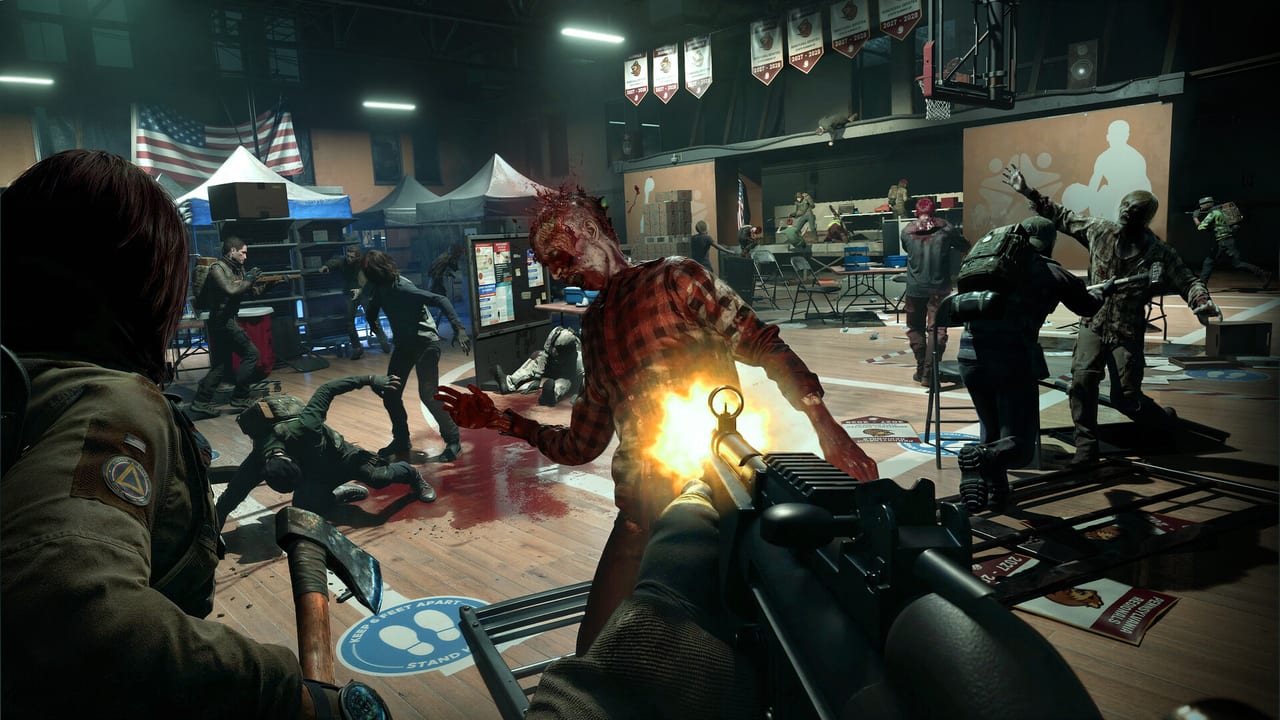
Survival Mode arrives with the 1.0 launch of No More Room in Hell 2 as a faster, wave-driven alternative to classic Scenario deployments. Instead of chaining Critical POIs toward a Power Plant finale, your squad becomes bait: you defend speaker towers and loud staging points so civilians can evacuate while the undead pour toward you. If you are still learning basics, skim Getting Started first, then come back here before you queue Hard or Nightmare.
What Survival Mode is trying to do
The fantasy is simple and cruel. CRC needs time. Civilians need corridors. You are the noise that buys both. Speaker towers and marked defense zones pull walkers, runners, and screamers into predictable lanes. Fail the defense and the bait collapses—extraction becomes messy or disappears entirely. Succeed long enough and supply drops land, the pressure spikes again, and you eventually get a clean window to leave.
Survival is still permadeath for Responders in online co-op. Dying mid-wave costs the character. Treat every wave like a Scenario finale compressed into minutes, not like a casual horde arcade.
Drawing the horde from civilians
At match start, identify the active speaker or bait objective on your compass. Someone must stay on or near that point; wandering off to loot quietly defeats the point of the mode. Assign one Responder as bait lead: they watch the tower UI, call when audio spikes, and refuse to chase stragglers into fog.
Civilians only matter as mission context—you do not escort them room by room. Your job is to keep the attraction system alive. If speakers go quiet or zones fall, the horde stops prioritizing your stage and the run loses its intended structure. Stay loud on purpose, then control the lanes you created.
Wave rhythm and between-wave prep
Waves escalate density, runner mix, and special pressure. Early waves teach the map’s chokepoints; later waves punish wasted ammo and open fields. Between waves you usually get a short prep window—reload, re-barricade, rotate medkits, and dump excess supplies toward the Responder with the best carry skills.
Supply crates and drops reward holding the line. Spend the quiet seconds organizing ammo by role: melee frontline keeps blades and stamina items; marksmen take scarce rifle rounds; support holds pills and kits. Do not spray the first shambler that appears after the drop—save firearms for runners and armored threats that break melee spacing.
Difficulty still matters. Classic is the place to learn tower sightlines. Hard and Nightmare compress prep time and inflate mistake cost. Pair this page with Difficulty Modes before you climb the ladder with a character you care about.
Extract differences vs Scenario
Scenario extract is usually earned after Critical POIs and a multi-stage finale such as the Power Plant, ending with a helicopter board. Survival extract is paced to the defense clock: survive enough waves, keep bait infrastructure online, then move to the evac vehicle or marked extract when the mode opens it.
Early extract rules from Scenario still matter when a deployment collapses. If your roster drops to three Responders or fewer still alive, green early-extract options can appear so you can salvage characters instead of gambling a dead squad into a doomed finale. Early extract typically sacrifices character XP from that deployment while preserving the Responder and account progress from completed work—use it when the wave plan is already broken.
In Survival, do not confuse “we cleared one wave” with “we earned Scenario-style loot freedom.” The mode wants you on the defense node. Loot the immediate buildings, then return. Long scavenger loops are how teams miss tower fails and wipe.
Team roles that actually work
Successful Survival squads look like compressed Scenario teams:
- Frontline melee holds the mouth of the choke and conserves bullets.
- Crowd control blunt creates stagger space when runners stack.
- Support watches infection clocks—Phalanx Pills buy roughly five minutes of delay; Gene Therapy is the true cure and immunity for the rest of the match.
- Caller tracks wave state, drop timing, and extract call.
Eight-player cross-play helps, but eight uncoordinated microphones do not. Use proximity VoIP, stay within hearing range of the tower, and read Co-op Teamwork for loot sharing and role calls.
Practical Survival checklist
- Spawn, mark the bait objective, and assign a tower babysitter.
- Build a choke—doors, stairs, fences—before wave two.
- Melee the baseline horde; shoot only priority threats.
- During prep, redistribute ammo and infection meds.
- When extract opens, leave as a group—stragglers get isolated and turned.
Survival Mode is the best 1.0 on-ramp for console and PC players who want faster feedback loops than full Scenario maps, but it still respects No More Room in Hell 2’s core truth: noise has a price, bullets are finite, and characters are permanent until you extract.
Frequently Asked Questions
Quick answers for Responders preparing for the next deployment.
Is Survival Mode available at No More Room in Hell 2 1.0 launch?
Yes. Survival Mode ships with the August 11, 2026 1.0 release alongside Scenario maps, console launches, and cross-play co-op.
How is Survival extract different from Scenario helicopter extract?
Scenario extract usually follows Critical POIs and a finale objective. Survival extract opens after you hold bait/defense objectives through escalating waves, then reach the mode’s evac point as a group.
Do Phalanx Pills still matter in Survival Mode?
Absolutely. Infection still runs on a roughly five-minute clock toward conversion. Pills delay progression; Gene Therapy cures and grants immunity for the rest of the deployment.
Should I leave the speaker tower to loot far POIs?
Only in short, controlled loops. Survival wants the bait active. Long scavenger trips are how towers fail and extracts collapse.