Melee Combat in No More Room in Hell 2
Win the quiet majority of fights so firearms stay reserved for runners and finales.
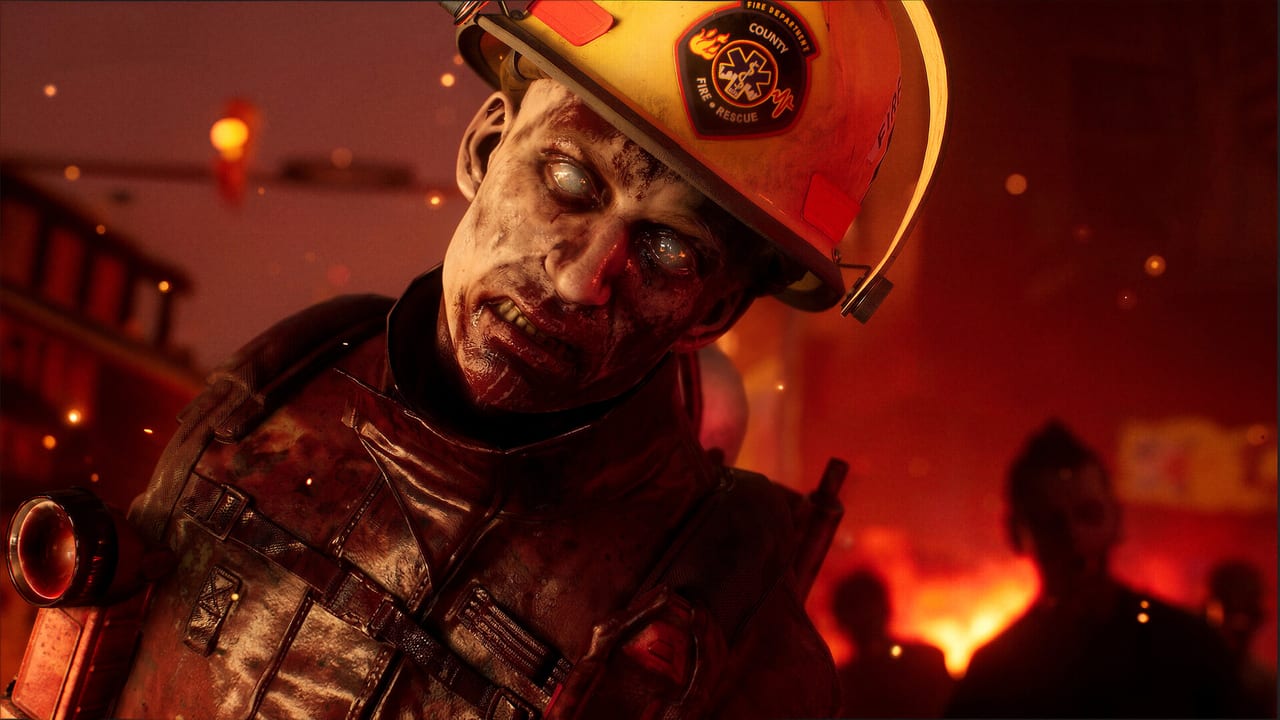
Melee is the default language of No More Room in Hell 2. Ammunition is scarce, gunfire wakes sectors, and most walkers should die without a shot. The Armageddon 1.0 update on August 11, 2026 rebalanced almost every swing: attack speeds, stability damage, weapon tiers, and the stamina cost of creating space. This guide translates those notes into habits you can use on Scenario maps and Survival waves.
Practice the buttons in Training Grounds with Responder Doug before you stake a leveled character. Then pair this page with the Weapons Tier List when you decide what to keep off the floor.
Quick, strong, and charged attacks
Armageddon distinguishes three melee commitments. Official patch language lists damage as Quick / Strong / Charged. A normal zombie sits at 100 health, Shamblers around 70, and Primes around 130. That means a light tool that looks “fine” on walkers can bounce off a Prime if you only tap quick attacks.
- Quick is the low-commitment swing when your footing is uncertain or a second body is already in the doorway.
- Strong costs more time and stamina but delivers the damage or stagger that stops a grab chain.
- Charged is the deliberate finisher. Use it on a staggered or isolated target, not as a panic mash into a crowd.
1.0 also improved melee attack queuing so combos feel cleaner and accidental extra inputs are less common. Still treat every swing as a decision. Held interacts can now start before a swing fully resolves, which means you can begin a panel or pickup without waiting for the animation to finish—useful, and also a way to get grabbed if you start the interact while a runner is already on you.
Shove, kick, and stamina
Shove is not optional flavor. Armageddon cut shove stamina cost from 25 to 15 and sped stamina recharge. Sprint rose slightly (370 to 380) and angular sprint feels less sticky. You can now kick while carrying a one-handed objective item. That package exists so you can create a window, move the fuse, and live.
Spend the shove to make space, then either relocate or start the task. Do not automatically convert every shove into another swing. Exhausted Responders attack poorly and fail grabs—the usual start of an infection roll. Rotate frontliners on Co-op Teamwork instead of letting one player empty the bar in a stairwell.
Blunt versus blade
CRC field habit still holds after the rebalance:
- Blunt weapons earn their keep on the head and on stability. Knockdowns open safer follow-up damage for the whole squad.
- Blades earn their keep on limbs. A severed arm or ruined gait reduces how hard the next grab hits.
- Slashing weapons now share a stability floor: 5 on quick, 10 on strong. They are not “zero stagger” toys anymore, but they still lose to dedicated blunt tools when you need a knockdown.
One-handed weapons begin strong attacks 10% faster and charged attacks 20% faster. Two-handed weapons begin charged attacks 10% faster. That is why a hatchet or machete can feel snappier in doorways while a fire axe still owns a Survival speaker choke.
What 1.0 actually changed on the floor
Read live tooltips after every patch, but these launch notes are the current baseline:
- Mallet replaced Small Pipe in the default inventory and dropped to Tier 1. It is a starter, not a forever weapon.
- Small Pipe moved up to Tier 2 with better headshot numbers. Keep it if nothing better spawned.
- Machete and Hatchet received meaningful base-damage buffs (20 / 25 / 34).
- Shovel jumped hard and is a legitimate A-tier pickup again.
- Baseball Bat was cut from a best-in-class monster to a Tier 2 tool. Quick swings are slower; charged hits still launch, but it no longer outclasses every heavy option.
- Fire Axe gained extra quick-attack stability (10 instead of the universal slash 5).
- Hockey Stick dropped to Tier 1. Large Pipe moved to Tier 2 and hits harder.
If your muscle memory still says “bat solves Broadway,” update it. See Broadway Walkthrough for urban spacing that now wants a real stagger plan, not a nostalgia slugger.
When to shoot instead
Melee loses to runners that have already closed, to screamers you cannot reach before the third yell, and to Primes when your stamina is already gone. That is when a controlled shotgun or a reserved rifle shot is cheaper than a wipe. Holster again the moment the special is down. The Weapons and Gear page covers pickup rules; this page is about not turning every walker into a firefight.
Map habits
Tight interiors—Pottsville, Beaulieu Hospital, Broadway shops—punish wide two-handed windups. Rural Lewiston and long Power Plant approaches punish stamina waste before you even reach the objective. Survival speakers want blunt control and kick resets between five-minute waves.
If you are learning swing timing without permadeath, use Solo Mode. Online extracts still teach the real lesson: noise and stamina, not highlight reels.
Session checklist
- Confirm shove and charged-attack binds on Controls.
- Leave Training Grounds able to stagger, shove, and disengage—not just “I clicked once.”
- Carry one reliable melee and treat guns as insurance.
- Call stamina before a Critical interact so someone else can cover.
- After a patch, re-read weapon tooltips; 1.0 already proved numbers can move a whole tier.
Master melee and No More Room in Hell 2 stops feeling like an ammo drought. It becomes a spacing game you can win with eight living Responders.
Frequently Asked Questions
Quick answers for Responders preparing for the next deployment.
What are quick, strong, and charged melee attacks?
Three commitment levels. Quick is safe and cheap. Strong and charged cost more time for damage or stagger. Official 1.0 notes list damage in that order.
Did the baseball bat get nerfed in 1.0?
Yes. It moved from a top-end statline to Tier 2 with slower quick attacks and reduced damage. Charged hits still work; it is no longer the automatic pickup.
How much stamina does a shove cost now?
Armageddon reduced shove cost from 25 to 15 and improved stamina recharge. Use the extra budget to create space, not to spam swings.
Should I main blades or blunt weapons?
Blades for limbs and tight doors; blunt for heads, knockdowns, and Survival chokes. Most squads want both roles covered.
Where should I practice melee safely?
Complete Training Grounds, then rehearse maps in Solo Mode. Online permadeath is the exam, not the classroom.